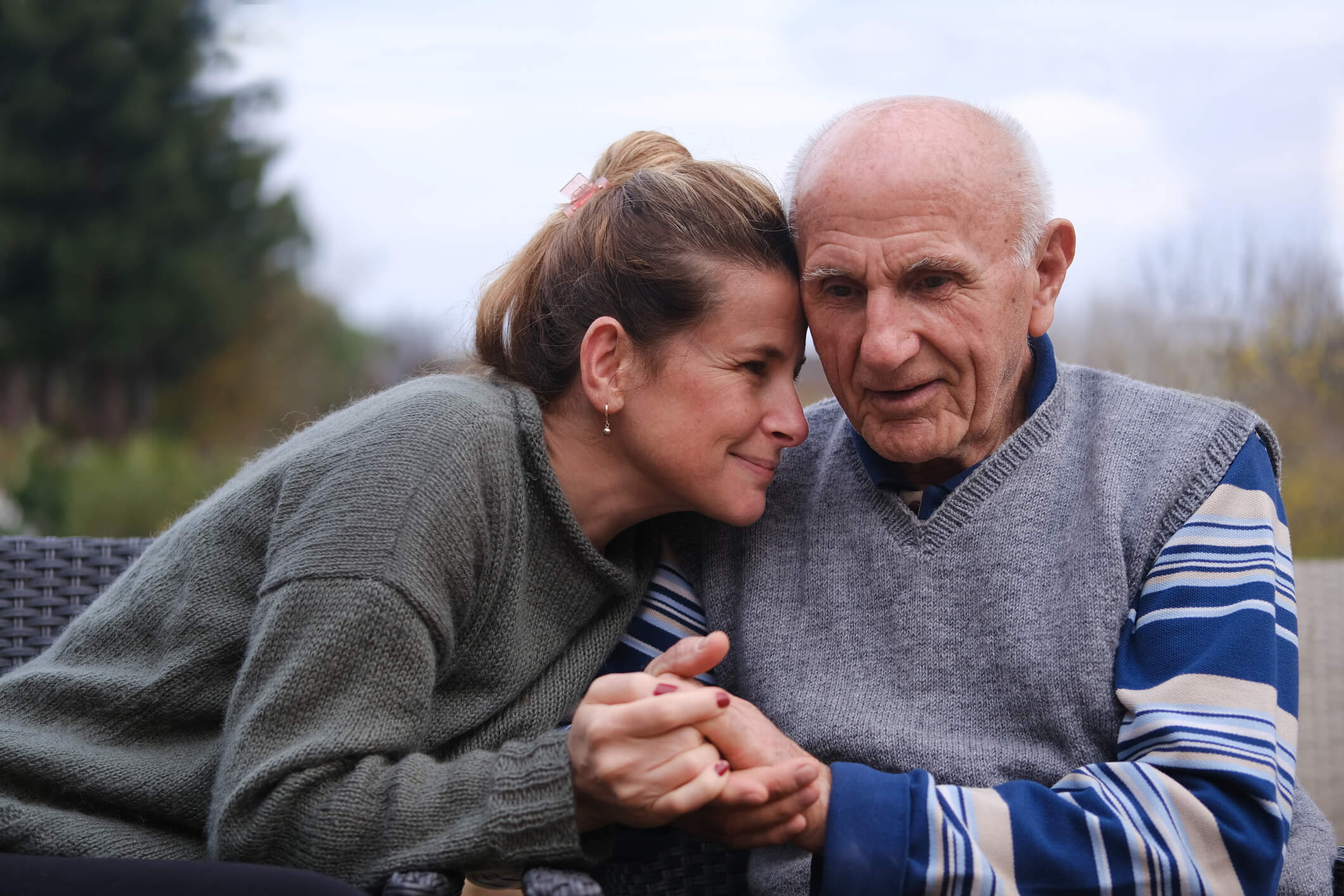
Your Aging Parent Isn't Being Difficult. They're Fiercely Guarding Their Independence.
By Dr. Bev Walpole – Clinical Psychologist, Guelph, Ontario, and Founder of Haven Wellness by Design
“Mom, you really shouldn't be driving anymore.”
“I’m fine.”
“Dad, you need someone to come in and help with the house.”
“I don't need help.”
“You can't keep living here by yourself.”
“I've lived here for 40 years. I'm not leaving.”
If you've had one of these conversations with an aging parent, you may have left thinking: Why won't they just listen?
But here's something worth considering:
Maybe they're not resisting the solution.
Maybe they're resisting what the solution represents.
Because aging isn't just about changes in physical ability.
It can also mean confronting the possibility that other people are beginning to see you differently.
Less capable.
Less independent.
Less in control.
And when an adult child starts saying, “You need to…”, even when those words come from love, they can land very differently than intended.
Research on caregiving communication has found that messages that threaten an older adult's sense of freedom can trigger psychological reactance — essentially, a motivation to push back when we feel our autonomy is being threatened.
Which means that sometimes the more strongly we push for change, the more strongly our parent pushes back.
Not because they don't love us.
Not necessarily because they don't understand the risk.
But because independence matters.
For many aging parents, maintaining independence isn't simply about continuing to do things on their own. It's about preserving a sense of identity, dignity, and control over the decisions that shape their everyday lives.
And when conversations about aging in place, accepting help, or making changes to their living environment begin to feel like decisions being made for them, resistance can become a way of protecting that independence.
So instead of starting with:
“You need to…”
Try starting with:
“What matters most to you?”
Instead of:
“This house isn't safe.”
Try:
“What do you love about being here?”
Then:
“What parts are becoming harder?”
And:
“What would make things easier without taking away the things you really value?”
These questions can help shift difficult conversations with aging parents away from convincing them to accept change and toward understanding what they need to feel safe, supported, and involved in their own decisions.
That isn't avoiding the hard conversation.
It's having a different kind of hard conversation.
One that recognizes that your parent is not simply a problem to be solved.
They're a person trying to navigate change while holding onto the things that make their life feel like theirs.
And perhaps that's one of the most important shifts we can make as adult children.
From:
“How do I get my parent to agree with me?”
To:
“How do I help my parent think through what comes next?”
Because safety matters.
But so does autonomy.
And the best conversations make room for both.
Stay Connected
Dr. Bev Walpole is a women's psychologist based in Guelph, Ontario. As a registered Clinical Psychologist, she provides evidence-based psychological support for women, parents, and high-achieving individuals navigating anxiety, burnout, ADHD, OCD, caregiving, identity shifts, and significant life transitions. Her work also integrates design psychology and environment-focused wellness design, recognizing that our surroundings can play an important role in how supported, grounded, and adaptable we feel throughout different seasons of life.
If this blog resonated with you, subscribe to our blogg or follow Haven on Instagram for more conversations about aging parents, maintaining independence as we age, caregiver burnout, family relationships, and navigating the changing roles we carry throughout life.
If you're finding it difficult to approach conversations with an aging parent about their independence, safety, or changing needs, Dr. Bev offers psychological services in Guelph and virtually across Ontario. These conversations can bring up complicated feelings, particularly as we begin to navigate the changing relationship between adult children and their aging parents. Psychological support can provide space to explore these emotions, strengthen communication, and approach important decisions with greater understanding, compassion, and clarity. Connect with Dr. Bev to learn more.
For those looking for practical resources to help navigate these discussions, Dr. Bev has also developed the Center Generation Kit, a collection of evidence-informed tools, guided exercises, and educational resources designed to support more meaningful conversations and stronger relationships with aging loved ones.